Views: 0 Author: Site Editor Publish Time: 2025-12-15 Origin: Site


Respirator masks are vital for protecting against harmful airborne particles. These particles, like dust, viruses, and toxins, pose significant health risks. Whether in healthcare, construction, or manufacturing, respirator masks ensure safety in high-risk environments.
In this article, you will learn how respirator masks work, their different types, and the protection they provide. You'll understand why choosing the right mask is essential for health and safety.
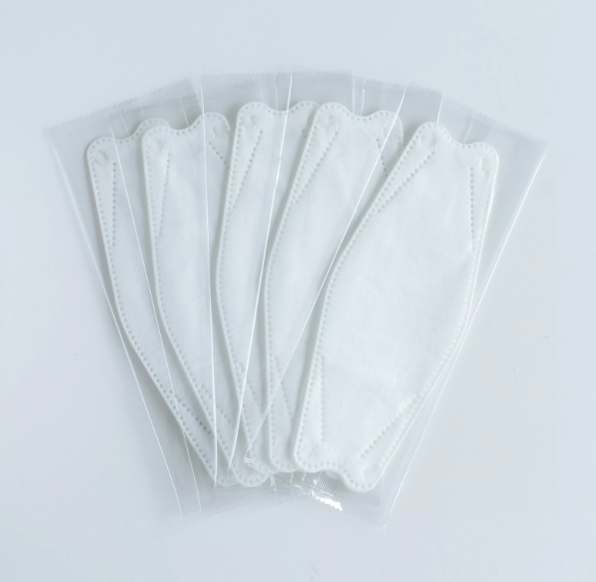
A respirator mask is a specialized protective device worn over the nose and mouth to filter out harmful particles from the air. It is designed to create a secure seal around the face to prevent unfiltered air from entering the respiratory system. Unlike regular cloth masks, respirators are equipped with advanced filters that are capable of trapping particles as small as 0.3 microns. These masks are often classified based on their filtration efficiency and their ability to create a proper seal on the wearer’s face.
Respirator masks are typically made from multiple layers of non-woven materials, with the inner layers responsible for filtering harmful particles, while the outer layers provide structural support to maintain the mask’s shape. Many respirators also feature exhalation valves that help reduce moisture build-up inside the mask, improving comfort during long-term use by allowing for easier airflow when exhaling.
While both respirator masks and regular masks, such as surgical masks, are designed to protect against airborne particles, there are several key differences between the two:
Filtration Efficiency: Respirator masks, such as N95 or FFP2 models, offer significantly higher filtration capabilities compared to surgical masks. Surgical masks are primarily designed for source control, which means they are used to prevent the wearer’s respiratory droplets from spreading, whereas respirator masks are designed to filter out a broader range of particles, including hazardous airborne contaminants.
Fit: Respirators are designed to create a tight, secure seal around the face, which prevents unfiltered air from entering through the sides of the mask. Regular masks, on the other hand, may not fit snugly, which can allow particles to leak in from the sides or top.
Protection Level: Respirators provide a much higher level of protection, especially against harmful airborne particles and pathogens. This makes them suitable for high-risk environments like healthcare settings, laboratories, and industrial workplaces, where exposure to harmful particles is more likely.
Below is a comparison table highlighting the key differences:
| Feature | Respirator Masks | Regular Masks (e.g., Surgical) |
|---|---|---|
| Filtration Efficiency | High (N95, FFP2, FFP3) | Low to moderate |
| Fit | Tight seal around the face | Loose fit |
| Protection Level | High protection from airborne particles | Primarily for source control |
| Usage | Industrial, healthcare, high-risk environments | General public, healthcare settings |
Respirator masks filter out harmful airborne particles through a combination of mechanical and electrostatic processes. The outer layers of the mask typically capture larger particles, while the inner layers use electrostatic attraction to trap smaller particles such as dust, smoke, and bacteria.
The electrostatic charge in the filter fibers attracts and holds onto particles that would otherwise pass through the mask. This electrostatic attraction is one of the key mechanisms that allows respirators to filter a significant portion of harmful particles without significantly hindering airflow. This ensures that the wearer receives effective protection while still being able to breathe comfortably.
Electrostatic attraction is a critical component in the filtration process of respirator masks. The filter materials are often charged to create an electrostatic field, which draws tiny particles such as viruses and bacteria towards the filter and traps them. This method is particularly effective for filtering particles that are as small as 0.1 microns, which are typically too small to be captured by mechanical filtration methods alone.
For example, when a respirator mask is used, the electrostatic field acts like a magnet, attracting airborne particles that might otherwise escape through the filter. This is especially important for environments where pathogens like viruses are a concern, as it provides an additional layer of protection against airborne diseases.
One of the challenges faced by respirator mask designers is balancing the need for high filtration efficiency with the need for breathability. As filtration efficiency increases, the resistance to airflow also increases, which can make it more difficult for the wearer to breathe comfortably. To address this, respirator masks use advanced materials that allow air to pass through while still efficiently trapping harmful particles.
These materials are designed to be both breathable and capable of filtering out a high percentage of airborne contaminants. This ensures that the wearer can breathe comfortably, even during long periods of use, while still receiving a high level of protection against hazardous particles in the air.
The primary function of a respirator mask is to block harmful particles in the air from entering the respiratory system. This includes particles such as dust, smoke, and fine particulate matter that can cause respiratory issues, irritate the airways, and lead to chronic health problems over time.
In industries such as construction, mining, and manufacturing, where workers are exposed to high levels of particulate matter, respirator masks play a crucial role in preventing lung diseases such as silicosis. These masks trap harmful particles before they can be inhaled and enter the lungs, significantly reducing the risk of severe health complications.
Respirator masks are particularly important in healthcare settings where airborne pathogens, such as viruses and bacteria, are prevalent. Respirators like the N95 and FFP2 masks are designed to filter out not only dust and debris but also microscopic pathogens that can cause infectious diseases.
During pandemics like COVID-19, respirator masks have become a key component of personal protective equipment (PPE) used by healthcare workers to prevent the spread of airborne diseases. By providing a tight seal and high filtration efficiency, respirator masks help reduce the risk of infection, protecting both the wearer and others in high-risk environments.
In certain industries, such as construction, chemical processing, and manufacturing, workers face regular exposure to hazardous airborne particles, including dust, fumes, and chemical aerosols. Respirator masks provide a critical layer of protection by filtering out these harmful substances before they can be inhaled, reducing the risk of respiratory diseases such as asthma, lung disease, or cancer.
For example, workers in construction sites or factories that produce chemical fumes or dust need respirators to prevent harmful particles from entering their lungs. Without proper protection, prolonged exposure to these substances can lead to chronic respiratory conditions, which can significantly affect the workers’ health and result in costly medical treatments.
The table below highlights the common exposures in various industries and the recommended respirator masks:
| Industry | Common Particulate Exposure | Respirator Mask Recommendation |
|---|---|---|
| Construction | Dust, silica, asbestos | N95, FFP2 |
| Healthcare | Viruses, bacteria, airborne pathogens | N95, FFP3 |
| Manufacturing | Chemical fumes, particulate matter | N95, FFP2 |
| Mining | Dust, coal, silica | N95, FFP2 |
Respirator masks like the N95 are indispensable in healthcare environments, where healthcare workers are regularly exposed to airborne pathogens. During medical procedures that generate airborne particles—such as surgeries, respiratory treatments, or patient care in intensive care units—respirators provide an effective barrier against potentially harmful pathogens.
The World Health Organization (WHO) recommends the use of respirator masks in healthcare facilities to prevent the transmission of infectious diseases, including tuberculosis, influenza, and COVID-19, particularly in settings where there is a high risk of airborne exposure.
Respirator masks are commonly used in industries such as construction, mining, and manufacturing, where workers are regularly exposed to hazardous airborne particles. These particles include dust, chemicals, and fumes that can cause long-term damage to the respiratory system. For example, construction workers may wear respirators to protect against silica dust, while industrial workers may need masks to block chemical aerosols.
By using respirators, employers can reduce the risk of respiratory diseases and ensure compliance with workplace health and safety regulations, protecting both employees’ health and the company from potential liabilities.
In areas affected by pollution or natural disasters such as wildfires, respirator masks can provide vital protection from harmful airborne particles. During periods of high pollution or when wildfires occur, respirators serve as a protective barrier against inhaling dangerous particulate matter, such as smoke and soot, which can irritate the lungs and cause long-term respiratory issues.
For individuals living in urban areas with high levels of smog or in regions where wildfires are common, wearing a respirator mask can offer critical protection for their respiratory health, especially during times when air quality deteriorates.
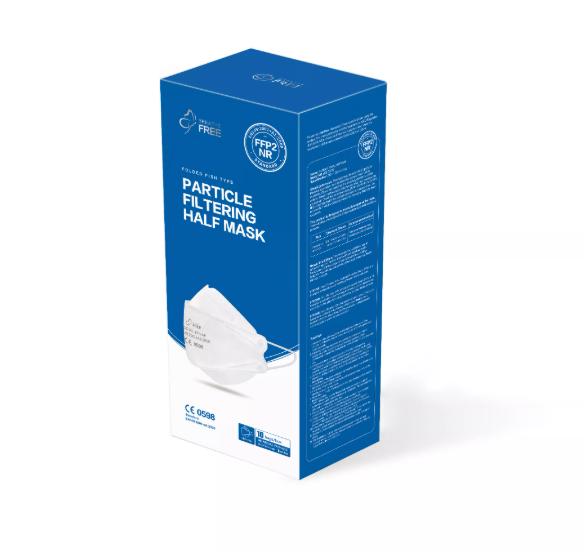
A proper fit is essential for the effectiveness of a respirator mask. The mask must create a secure seal around the face to ensure that no unfiltered air leaks in. Many respirator masks come in different sizes to accommodate various face shapes, and some models have adjustable straps to allow for a more personalized fit.
Comfort is also an important consideration, as respirators are often worn for extended periods. Features like exhalation valves or cushioned face seals help reduce discomfort and improve the fit, making the mask more wearable over long durations.
Respirator masks are tested and certified based on their filtration efficiency. Standards such as N95, FFP2, and FFP3 are used to indicate the level of protection the mask provides. For instance, the N95 standard filters out at least 95% of airborne particles, making it suitable for high-risk environments such as healthcare settings or industrial workplaces where exposure to harmful particles is more likely.
It is crucial to choose respirators that meet the appropriate standards for the specific environment. This ensures that the mask provides adequate protection against the relevant risks.The table below compares the different types of respirator masks and their corresponding filtration standards:
| Mask Type | Filtration Efficiency | Protection Level | Suitable Environments |
|---|---|---|---|
| N95 | ≥95% of airborne particles | High protection against dust, bacteria, viruses | Healthcare, industrial workspaces |
| FFP2 | ≥94% of airborne particles | Medium to high protection against dust and viruses | Healthcare, construction |
| FFP3 | ≥99% of airborne particles | Highest protection against harmful particles | High-risk healthcare, chemical handling |
To ensure the continued effectiveness of a respirator mask, regular maintenance is necessary. This includes cleaning reusable masks, replacing filters, and ensuring that the mask fits properly each time it is used. Disposable masks should be replaced regularly, particularly if they become damaged or are exposed to high levels of contaminants.
By properly maintaining and replacing respirator masks, users can ensure that they continue to provide optimal protection and remain effective over time.
The table below outlines the maintenance and replacement guidelines for different types of respirator masks:
| Mask Type | Maintenance Requirements | Replacement Cycle |
|---|---|---|
| Disposable | Not reusable, discard after use | After each use |
| Reusable (N95) | Clean and replace filters as needed | Every 6 months or based on usage |
| Reusable (FFP2) | Clean and replace filters as needed | Every 6-12 months, based on exposure |
Respirator masks are essential for protecting individuals from harmful airborne particles in various environments. Whether for healthcare workers or industrial employees, they provide crucial protection against dust, viruses, bacteria, and toxic fumes. Understanding how respirator masks work, selecting the right type, and ensuring a proper fit are key to safeguarding health and meeting safety standards.
Kingstar Medical Products Co., Ltd. offers high-quality respirator masks designed for maximum protection and comfort. Their products ensure effective filtration and a secure fit, making them an ideal choice for both healthcare and industrial environments.
A: A respirator mask is used to protect individuals from inhaling harmful airborne particles like dust, viruses, bacteria, and toxic fumes in various environments such as healthcare, construction, and industrial settings.
A: A respirator mask works by filtering out harmful particles from the air using a combination of mechanical and electrostatic filtration methods, ensuring that the air you breathe is free of contaminants.
A: Wearing a respirator mask helps protect you from inhaling harmful airborne particles, reducing the risk of respiratory diseases and improving overall safety in hazardous environments.
A: Choose a respirator mask based on the specific hazards you're exposed to, ensuring it has the appropriate filtration efficiency and fits securely to provide the best protection.
A: The cost of a respirator mask varies depending on the type and quality, but investing in a high-quality mask ensures effective protection and can prevent costly health problems in the long run.
A: Yes, certain respirator masks like N95 and FFP3 are designed to filter out viruses and bacteria, providing effective protection against airborne pathogens in high-risk environments.