Views: 0 Author: Site Editor Publish Time: 2025-12-15 Origin: Site


Influenza A spreads quickly, especially in crowded spaces. Respirator masks, like N95 and KN95, can help reduce its transmission.
In this article, we’ll explore how these masks prevent flu transmission. You’ll learn why respirator masks are essential in high-risk areas and how they help protect both individuals and communities.
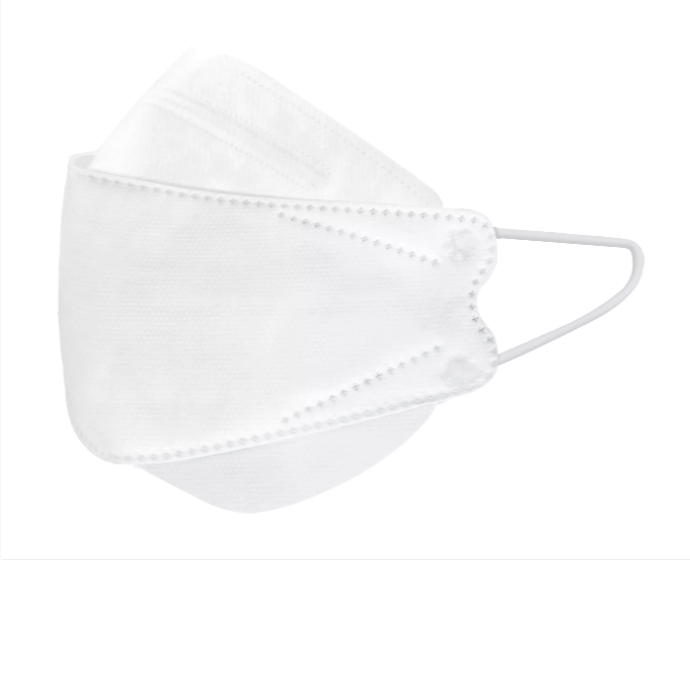
Droplet transmission occurs when an infected person coughs, sneezes, or talks, releasing respiratory droplets that can infect others. These droplets typically travel a short distance before falling to the ground. The larger the droplet, the quicker it tends to settle. However, in indoor spaces with poor ventilation or high population density, these droplets can infect multiple individuals in a short time. Respirator masks block many of these droplets from reaching others, reducing the likelihood of infection. The virus can linger in the air for a while if not controlled, contributing to the rapid spread of influenza.
During an influenza outbreak, droplets can quickly spread through crowded spaces, making mask-wearing essential in high-risk environments, such as hospitals or public transport. With proper use of respirators, the risk of flu transmission in these high-density spaces can be significantly minimized.
Aerosols are tiny particles that can remain suspended in the air for extended periods, allowing them to travel further than droplets. These smaller particles, often less than 5 microns in diameter, can spread through ventilation systems, further amplifying the transmission risks. Influenza A viruses can be carried in aerosols, which increases the risk of transmission, especially in poorly ventilated areas. Respirator masks, particularly N95 masks, are effective in filtering these tiny particles, preventing them from being inhaled by the wearer.
Studies have shown that respirators block more than 95% of airborne particles, making them a critical tool in preventing airborne transmission of influenza, especially in spaces where maintaining physical distance is challenging. By preventing the inhalation of these virus-laden aerosols, respirators significantly reduce the likelihood of infection.
While not the primary mode of transmission for Influenza A, contact transmission still poses a significant risk. The virus can survive on surfaces for several hours, depending on the material. This means individuals can pick up the virus by touching contaminated surfaces and then transferring it to their eyes, nose, or mouth. By wearing respirator masks, individuals reduce the need to touch their face, limiting the opportunity for contact transmission. Respirators act as a barrier to prevent the virus from entering the respiratory system, even if individuals accidentally touch contaminated surfaces.
Respirator masks, when combined with good hand hygiene and cleaning practices, provide a comprehensive defense against the spread of influenza A via contact. This dual protection ensures that even indirect transmission is minimized, reducing overall exposure to the virus.
The primary function of a respirator mask is to filter out airborne particles, including viral pathogens like Influenza A. Masks such as N95 and KN95 are designed with a high-filtration efficiency to capture both large droplets and smaller aerosol particles. This makes them far more effective at preventing the inhalation of potentially infectious particles compared to regular surgical or cloth masks. Unlike cloth masks, which are generally not designed for filtration, respirators are engineered to provide a secure fit and offer optimal protection by filtering out particles as small as 0.3 microns.
By offering a more efficient filtration barrier, respirator masks help reduce the risk of infection, especially in high-risk environments, where the chances of exposure to airborne viruses are higher. In addition to their superior filtration, the snug fit of respirator masks ensures that fewer particles can bypass the mask’s filters.
Below is a comparison of different mask types and their filtration efficiency:
| Mask Type | Filtration Efficiency | Best for Flu Prevention |
|---|---|---|
| N95 Respirator | 95% | High-risk environments, hospital settings |
| KN95 Respirator | 95% | General flu prevention, crowded spaces |
| Surgical Mask | 60-80% | Lower-risk, short exposure |
| Cloth Mask | 30-50% | Limited effectiveness, general use |
Even the best respirator mask can fail if it doesn’t fit properly. A poor fit allows air, along with potentially harmful particles, to bypass the filter and reach the wearer. For maximum protection, the mask must form a tight seal around the nose and mouth, covering both completely. This reduces the chances of inhaling airborne viruses and provides a reliable barrier against the virus. If there are gaps, even the highest-quality mask will not provide the level of protection it is designed to offer.
The fit is just as important as the filtration capacity. Masks that are too loose or worn incorrectly won’t provide the necessary protection. For example, a mask that is not adjusted properly around the nose or chin can leave gaps where the virus can enter. Ensuring that your respirator mask fits securely and comfortably is key to maximizing its protective effects.
Respirators are specifically designed to filter out smaller particles, such as aerosols. This capability is particularly important for preventing the airborne transmission of viruses like Influenza A, which can be spread through the air in the form of aerosols. These small particles can travel for longer distances than larger droplets and can remain suspended in the air for extended periods. Respirators, especially N95 masks, provide highly effective protection by blocking these particles, significantly reducing the risk of inhaling aerosolized viral particles.
By wearing a properly fitted respirator mask, the likelihood of inhaling aerosolized viral particles is significantly reduced, making respirators the best choice for flu prevention in crowded or enclosed spaces. Their effectiveness in blocking aerosols makes them invaluable in reducing the transmission of influenza during flu outbreaks.
To protect yourself effectively from influenza A, it's essential to choose a respirator mask with the right level of filtration. N95 and KN95 respirators are widely regarded as some of the best options for flu protection. These masks offer a high level of protection against airborne viruses, thanks to their efficient filtration and tight fit. When selecting a mask, look for certification labels such as NIOSH for N95 masks and CE for KN95 masks. These labels ensure that the mask meets high standards for filtration efficiency and safety.
It’s crucial to select a mask that suits your needs and environment. If you’re in a high-risk area or involved in activities with prolonged exposure to potentially infected individuals, a respirator mask is the most effective choice. For general use, KN95 masks offer similar protection but are often more readily available.
Wearing a respirator mask properly is crucial for its effectiveness. Follow these steps for maximum protection:
Clean your hands before handling the mask to avoid contamination.
Position the mask over your nose and mouth, ensuring it covers both areas completely.
Adjust the straps or ear loops to secure the mask tightly, ensuring there are no gaps around the edges.
Press the metal nosepiece to mold it around your nose, creating a secure seal.
Avoid touching the mask once it’s in place, and wash your hands immediately after.
By following these steps, you can ensure that your respirator mask provides optimal protection against flu transmission.
Respirator masks are designed for limited use, and their effectiveness diminishes over time. It’s essential to replace them when they become damaged, moist, or after prolonged use (typically after 4-6 hours). If you’re using a disposable mask, never reuse it after it becomes contaminated or compromised. Regular replacement ensures that the mask continues to filter out harmful particles effectively and provides the protection you need.
When you notice that your mask has become damp from prolonged use, or if it’s visibly damaged, it’s time to replace it. Regular replacement is crucial to ensure continued protection, especially during flu outbreaks or periods of heightened exposure.
The table below outlines when to replace your respirator mask for optimal protection:
| Mask Condition | Action | Reason |
|---|---|---|
| Mask is damp or wet | Replace the mask | Damp masks reduce filtration efficiency. |
| Mask is visibly damaged | Discard and replace mask | Damaged masks offer less protection. |
| Prolonged use (>4-6 hours) | Replace after use | Prolonged wear reduces effectiveness. |
| Used in high-risk environment | Replace after each use | To maintain high filtration efficiency. |
Numerous studies have shown that wearing respirator masks significantly reduces the transmission of influenza viruses. Research indicates that individuals who wear respirators, such as N95 masks, are less likely to become infected with influenza A. One study found that the use of N95 respirators reduced the risk of flu transmission by more than 80%, highlighting their importance in preventing the spread of the virus.
These studies emphasize the significant protective effect of respirators, especially when combined with other preventive measures like vaccination and hand hygiene. Using respirators during high-risk periods or in crowded spaces can dramatically reduce the likelihood of flu outbreaks.
People who are infected with Influenza A can transmit the virus even before they show symptoms. Wearing a respirator mask helps reduce the infectiousness of symptomatic and asymptomatic individuals, preventing the virus from spreading to others. Infected individuals are less likely to pass the virus on if they wear a mask, especially in public settings or when interacting with vulnerable populations.
Mask usage has been shown to reduce the release of viral particles into the air, making it a critical tool in preventing flu transmission, particularly in the early stages of infection when symptoms might not yet be apparent.
Population-wide use of respirator masks can significantly reduce the spread of influenza A in communities. During flu season, if a large portion of the population wears masks, it can delay or even contain an outbreak. Mask usage lowers the reproduction number of the virus, potentially stopping its spread before it reaches epidemic levels.
This community-wide protection is especially important in crowded settings, such as schools, workplaces, and public transport. Widespread mask usage can mitigate the impact of flu outbreaks and prevent widespread illness.

Health organizations, such as the CDC and WHO, recommend that respirator masks be worn in areas with high flu transmission. This includes public places, hospitals, and crowded environments where the risk of flu spread is higher. During peak flu season, individuals should wear respirator masks when social distancing is not possible or when they are in close proximity to others.
Wearing a respirator mask in these high-risk settings is essential to prevent the virus from spreading, particularly in environments where flu outbreaks are more likely to occur.
Wearing a mask is especially important in enclosed or crowded public spaces, such as grocery stores, airports, and public transportation. These environments increase the likelihood of exposure to airborne viruses. Even in outdoor spaces, masks should be worn if physical distancing cannot be maintained or if you are in close contact with individuals showing symptoms.
Respirator masks provide additional protection in situations where you might encounter people who are potentially infectious, further reducing the chances of flu transmission.
Respirator masks offer additional protection to individuals at higher risk, including the elderly and those with underlying health conditions. For these vulnerable groups, wearing a respirator mask can significantly reduce the risk of infection, helping prevent severe complications from influenza. During outbreaks, it is especially important for these individuals to wear masks in public and to avoid areas with high foot traffic.
High-risk individuals should prioritize wearing respirators in public spaces, particularly during flu season or when flu outbreaks are occurring in the community.
Respirator masks are essential in preventing Influenza A transmission. Their ability to filter airborne particles, block droplets, and reduce contact transmission makes them a top choice for flu protection. Proper mask-wearing, fit, and timely replacement are key factors in maintaining their effectiveness.
In high-risk environments, during outbreaks, or as part of everyday safety, respirator masks are crucial for controlling the flu’s spread. Kingstar Medical Products Co., Ltd. offers high-quality respirators designed to deliver excellent protection, ensuring both personal and community safety during flu seasons.
A: A respirator mask is designed to filter airborne particles, including viral pathogens like Influenza A. It helps prevent flu transmission by blocking droplets and aerosols, significantly reducing the risk of infection in high-risk environments.
A: To properly wear a respirator mask, ensure it covers your nose and mouth securely. Adjust the straps for a tight fit, ensuring there are no gaps. This maximizes the mask's protective barrier against Influenza A transmission.
A: Respirator masks, like N95 and KN95, offer higher filtration efficiency than cloth masks. They can filter out particles as small as 0.3 microns, making them much more effective at preventing airborne transmission of Influenza A.
A: Respirator masks should be replaced after prolonged use (typically 4-6 hours) or if they become damp, damaged, or compromised. Regular replacement ensures the mask continues to effectively filter out harmful particles.
A: In high-risk environments, respirator masks provide superior protection by filtering both large droplets and smaller aerosol particles. This makes them highly effective at preventing the spread of Influenza A, especially in crowded or enclosed spaces.
A: Yes, wearing a respirator mask reduces the likelihood of inhaling flu virus particles when in close proximity to infected individuals. It significantly lowers your risk of contracting Influenza A through airborne transmission.