Views: 0 Author: Site Editor Publish Time: 2025-12-15 Origin: Site


Have you ever wondered how to effectively manage wounds that produce a lot of fluid? An ABD pad might just be the solution you're looking for.
In this article, we will explore the essential role of ABD pads in wound care. You will learn how they help manage heavy exudate, prevent infections, and promote faster healing. By the end of this post, you'll understand why ABD pads are a crucial tool for both clinical and home wound care.
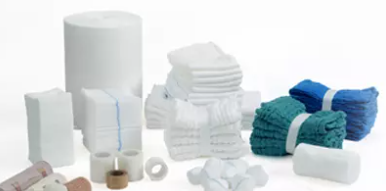
An ABD pad is a thick, absorbent dressing designed to manage large wounds that produce significant amounts of fluid. Typically, it consists of multiple layers, including a soft non-woven outer layer, an absorbent core that soaks up exudate, and a waterproof backing that prevents fluids from leaking through. This design makes ABD pads especially useful for managing wounds with moderate to heavy drainage.
These pads are specifically engineered for wounds that exude heavily, providing necessary moisture absorption while maintaining a sterile, clean environment around the wound. The ABD pad is often used as a secondary dressing, placed over primary dressings like gauze or hydrogels to enhance protection, ensure comfort, and improve the healing process.
The ABD pad boasts several features that make it ideal for wound care:
High absorbency: It can absorb large amounts of exudate, preventing the wound from becoming too moist, which can slow healing and increase the risk of complications like infection.
Non-adherent surface: The pad does not stick to the wound, allowing for pain-free dressing changes and reducing the risk of damaging new tissue growth when the dressing is removed.
Waterproof outer layer: This layer prevents external contamination, creating a clean and controlled environment around the wound and helping to minimize the risk of infection.
These features make ABD pads suitable for managing both minor and severe wounds, providing both comfort and protection throughout the healing process. Their unique design ensures that they can manage significant amounts of exudate while remaining effective and comfortable for the patient.
These key features make ABD pads essential for effective wound care. Below is a table summarizing their benefits:
| Feature | Description | Benefit |
|---|---|---|
| High Absorbency | Can absorb large amounts of wound exudate. | Reduces frequency of dressing changes, promotes healing. |
| Non-Adherent Surface | Does not stick to the wound, ensuring pain-free dressing changes. | Reduces tissue damage and pain during dressing removal. |
| Waterproof Outer Layer | Prevents exudate leakage and external contamination. | Protects the wound from outside germs and moisture. |
| Multi-Layer Construction | Includes absorbent core, soft outer layer, and waterproof backing. | Enhances protection and provides optimal wound care. |
Initially, ABD pads were developed for use in military settings, where large wounds were common. Over time, their use expanded to hospitals and clinics, especially for managing post-surgical wounds and chronic injuries that produce significant exudate. Today, they are a staple in both professional medical care and at-home wound management. Their popularity is rooted in their effectiveness and ease of use, making them essential for wound care in diverse settings.
As the medical community recognized the benefits of these pads, their design and materials were refined to meet the growing demands of modern wound care. Today, ABD pads are widely regarded as one of the most reliable and versatile solutions for managing a variety of wounds.
ABD pads are especially effective at managing wounds with significant exudate. When a wound produces a lot of fluid, it can create a moist environment that increases the risk of infection and delays the healing process. The ABD pad absorbs this exudate, maintaining a balanced environment that supports healing while preventing maceration of surrounding tissue, which can lead to further complications.
For patients with chronic wounds, such as pressure ulcers, ABD pads are particularly helpful in keeping the wound environment clean and dry, which promotes faster healing and reduces the risk of infection. Their high absorbency ensures that even the most exudating wounds can be managed effectively.
After surgery, especially for large incisions or abdominal wounds, ABD pads are often used to manage drainage. These pads help absorb fluids that accumulate during the healing process, protecting the wound from infection while maintaining the necessary moisture levels for healing. The design of the ABD pad ensures that the wound stays clean and dry, creating optimal conditions for recovery.
The absorbent nature of the ABD pad prevents exudate from pooling on the skin, which reduces the risk of infection and skin breakdown around the surgical site. This helps speed up the healing process and reduces the likelihood of complications like wound infection or delayed healing.
In cases of trauma or large incisions, such as those caused by accidents, ABD pads provide significant protection. The multilayer construction of the pad helps absorb substantial amounts of fluid, while the non-stick layer ensures that the pad doesn't interfere with the healing process. This makes ABD pads particularly beneficial for managing trauma-related wounds, where exudate levels may be high.
For traumatic injuries that involve large areas of the body, ABD pads can be applied to prevent further damage to the wound and manage excessive exudate. Their high absorbency ensures that large wounds, such as those caused by accidents, are well cared for, reducing the risk of complications and promoting faster recovery.
While ABD pads can be used as primary dressings, they are often used as secondary dressings. In this application, they cover a primary dressing, such as a hydrophilic pad or hydrocolloid dressing, to add an extra layer of protection. This use enhances absorbency and provides a clean, dry environment to support the wound's healing process.
By adding this extra layer of protection, ABD pads ensure that wounds remain safe from external contaminants while maintaining the right moisture balance, crucial for optimal healing conditions.
Choosing the correct size of ABD pad is crucial for ensuring optimal wound care. A pad that is too small may not adequately cover the wound, while a pad that is too large can be wasteful and may not offer the best protection. It's important to select a pad that fits the wound's size and location to ensure both comfort and effectiveness.
Consider the size and location of the wound when selecting a pad. Smaller wounds, such as those from minor cuts or abrasions, require smaller pads (e.g., 5” x 9”), while larger wounds, such as those from surgeries or trauma, may require larger pads (e.g., 8” x 10” or 10” x 12”). A well-fitting ABD pad ensures better absorption and provides better protection against infection and complications.
The choice between sterile and non-sterile ABD pads depends on the nature of the wound. Sterile pads are ideal for fresh wounds, surgical incisions, or wounds with a high risk of infection, as they help prevent contamination. Non-sterile pads are better suited for less critical situations, such as covering closed wounds or acting as secondary dressings over primary, sterile pads.
Choosing the appropriate type of ABD pad ensures that the wound is properly protected and that infection risks are minimized, especially in cases where sterile conditions are necessary.To help you better understand the differences, here’s a table comparing sterile and non-sterile ABD pads:
| Feature | Sterile ABD Pads | Non-Sterile ABD Pads |
|---|---|---|
| Use Case | Ideal for fresh, open, or surgical wounds where contamination risk is high. | Suitable for closed, low-risk wounds or as secondary dressings. |
| Packaging | Individually sealed for sterile conditions. | Typically sold in bulk or in non-sterile packaging. |
| Protection | Prevents external infection by maintaining a sterile environment. | Provides protection, but the risk of contamination is higher. |
| Cost | Generally more expensive due to sterilization. | More cost-effective for non-critical wound care. |
Proper application of an ABD pad ensures that the wound stays protected and the pad functions effectively. Always clean the wound before applying the pad and make sure it covers the entire affected area. Secure the pad with medical tape or bandages to hold it in place. Properly applied ABD pads can help manage exudate and maintain a clean, infection-free environment.
Changing the dressing regularly based on the wound’s condition is crucial to preventing infection and promoting faster healing. Monitoring the wound and the pad will help ensure the healing process is progressing smoothly.
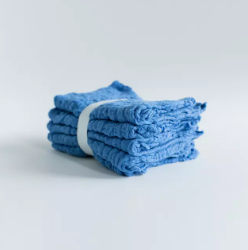
One of the most significant benefits of ABD pads is their high absorbency. This feature helps minimize the frequency of dressing changes, making wound care easier and more comfortable for the patient. The ability to handle large amounts of exudate means that the pad stays effective longer, which can reduce discomfort and the risk of infection from frequent handling.
By reducing the need for frequent changes, ABD pads help improve the overall patient experience. They provide comfort and security, knowing that the wound is protected for longer periods, which helps promote faster recovery.
The sterile or non-sterile nature of ABD pads plays a crucial role in infection prevention. The waterproof backing and non-adherent surface ensure that external contaminants cannot enter the wound, while the absorbent core keeps the wound dry, preventing bacterial growth. This significantly reduces the likelihood of infections and complications, which are common in wounds that are not properly cared for.
Using the right ABD pad ensures that the wound remains protected from harmful microorganisms, creating an optimal healing environment that minimizes the risk of post-injury or post-surgery complications.
By maintaining the optimal moisture level in the wound, ABD pads promote faster healing. They also cushion the wound, reducing pain and discomfort associated with the injury or surgical site. This makes them not only effective but also patient-friendly, improving recovery times and the overall patient experience. The combination of absorbency and comfort makes ABD pads a preferred choice for many patients and healthcare providers.
In this article, we explored the essential role of ABD pads in wound care. These pads are designed to manage wounds with heavy exudate, providing a high level of absorbency and protection. Their multi-layer construction makes them ideal for preventing infection and supporting the healing process. Sterile ABD pads are best for fresh, surgical wounds, while non-sterile pads are suitable for less critical cases. Kingstar Medical Products Co., Ltd. offers high-quality ABD pads designed to meet the diverse needs of healthcare providers. Their products ensure optimal wound protection and comfort for patients, making them a reliable choice in wound care management.
A: An ABD pad is used for absorbing large amounts of wound exudate. It is ideal for managing wounds with heavy drainage, such as post-surgical wounds or trauma-related injuries.
A: An ABD pad absorbs excess fluid, helping to keep the wound dry and prevent infection. Its multi-layer construction ensures a clean environment, promoting faster healing.
A: Sterile ABD pads are essential for fresh or surgical wounds. They maintain a sterile environment, reducing the risk of infection and promoting optimal healing conditions.
A: While ABD pads are ideal for moderate to heavy drainage, they can also be used for minor wounds that need extra absorbency or protection from external contaminants.
A: ABD pads can be more expensive than regular gauze due to their multi-layer design and absorbency. However, they provide superior wound protection and reduce the frequency of dressing changes.
A: When selecting an ABD pad, consider the size of the wound. Larger pads are ideal for larger wounds, while smaller pads can be used for smaller or less critical wounds.