Wound care can be complex, but the right dressing can make all the difference. Have you ever wondered how to manage high-exudate wounds effectively?
In this article, we’ll explore the essential role of ABD pads in wound care. You’ll learn what an ABD pad is, how it works, and why it’s crucial for both healthcare providers and patients in promoting faster and safer healing.
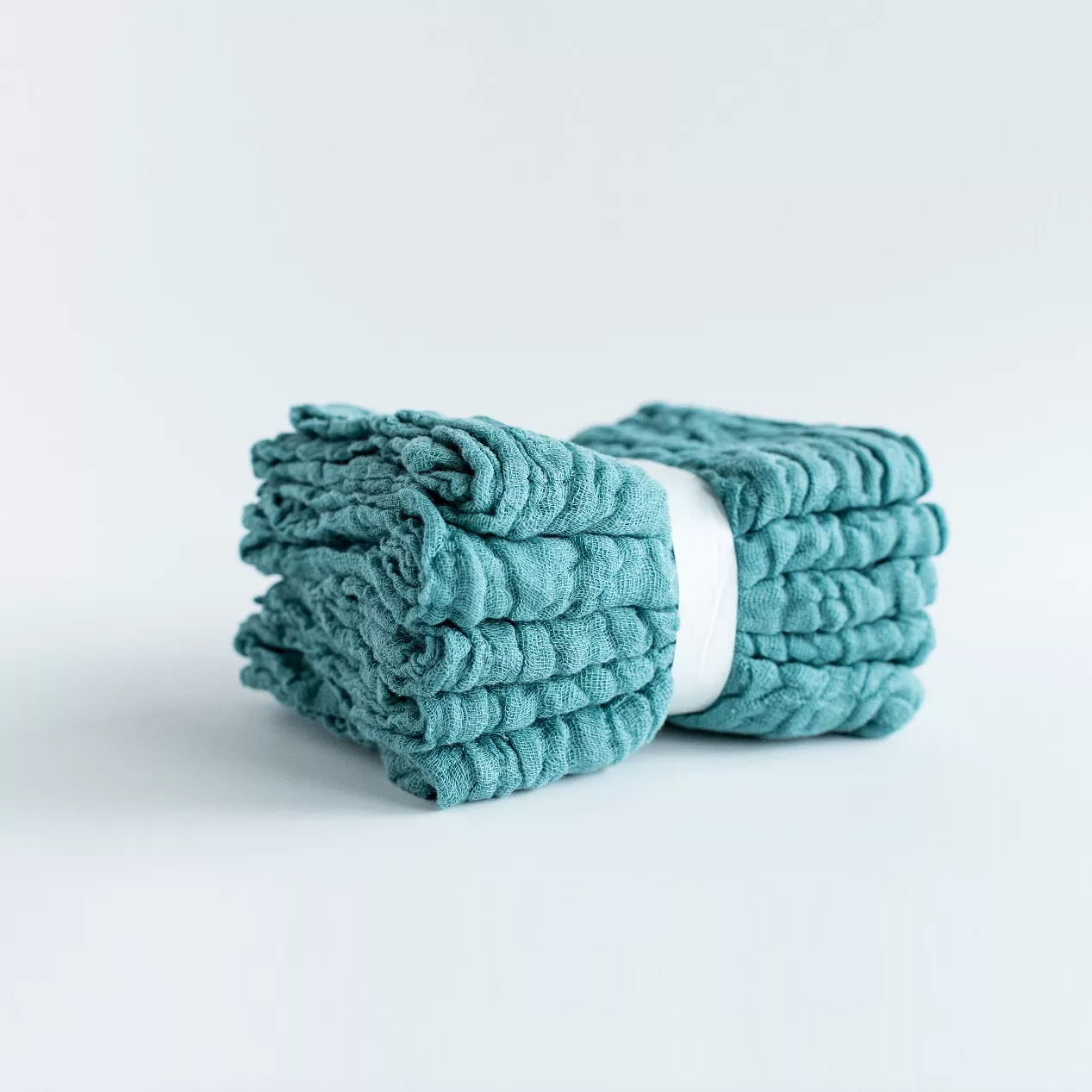
An ABD pad typically consists of a multilayer structure designed to efficiently absorb wound exudate. The outer layer is usually a soft, non-woven material that prevents the dressing from sticking to the wound. This is important because it reduces the risk of the dressing pulling away tissue from the wound site, a process that can disrupt healing and cause pain.
The middle layer is highly absorbent and designed to trap moisture and fluids, keeping the wound site clean and maintaining a moist healing environment. The bottom layer is a waterproof backing that prevents leakage, ensuring the surrounding skin and clothing remain dry. This feature is crucial in preventing maceration, a condition where the skin becomes overly saturated and fragile, increasing the risk of infection.
Key Materials:
| Material | Function |
|---|---|
| Non-woven Fabric | Soft outer layer, prevents sticking to the wound |
| Absorbent Inner Core | Traps moisture and fluids for efficient absorption |
| Waterproof Backing | Prevents leakage and protects surrounding skin and clothing |
These materials are carefully selected to maximize both absorbency and comfort, offering a solution that keeps the wound dry, promotes healing, and is easy to apply.
ABD pads have several key features that make them stand out as an essential tool in wound care.
High Absorbency: The primary feature of an ABD pad is its ability to manage large amounts of exudate, preventing fluid from accumulating on the wound surface. This is crucial for avoiding maceration, a condition where surrounding skin becomes damaged due to prolonged moisture exposure. The highly absorbent material is engineered to handle even the heaviest drainage, which is often seen in post-surgical wounds or large trauma wounds.
Multilayer Construction: The multilayer design optimizes moisture retention, with each layer playing a specific role. The soft top layer cushions the wound, the absorbent core locks in fluids, and the bottom layer offers a moisture-resistant barrier that prevents fluids from leaking through. This construction ensures that the wound remains protected and that the surrounding skin stays dry and safe from the harmful effects of excess moisture.
Waterproof Backing: The waterproof backing ensures that fluids do not seep through the pad, keeping the wound environment clean and dry. This is particularly important for preventing infection and maintaining a stable healing environment. The waterproof layer also helps to keep the patient's clothing and bedding dry, preventing any discomfort or inconvenience caused by fluid leakage.
For high-exudate wounds, it's important to select ABD pads with thicker absorbent cores to ensure maximum fluid retention and maintain a dry and clean environment around the wound. This will help prevent excess moisture from causing further complications, such as maceration or infection.
Applying an ABD pad correctly ensures the best possible outcome. Here’s a step-by-step guide to ensure effective use:
Clean the Wound Area: Always clean the wound with an appropriate solution before applying the ABD pad. This helps to reduce the risk of infection and prepares the wound for optimal healing.
Apply the ABD Pad: Place the pad directly over the wound, ensuring full coverage. For larger wounds, choose a bigger pad to ensure the entire wound area is covered.
Secure the Pad: Use medical tape or a bandage to hold the ABD pad in place, making sure it’s secure but not too tight. The pad should remain in place without causing any additional pressure on the wound.
Monitor the Dressing: Change the ABD pad when it becomes saturated with exudate to prevent leakage. Regular monitoring ensures that the wound remains clean and dry, supporting the healing process.
Make sure the ABD pad covers the wound entirely and extends at least 1 inch beyond the edges for maximum protection, preventing contamination from surrounding areas. By ensuring proper application and regular dressing changes, you can promote a more effective healing environment for your patients.
ABD pads are commonly used after surgeries, especially in abdominal and pelvic surgeries. They absorb drainage from surgical wounds and prevent contamination from external pathogens. For example, after a cesarean section, ABD pads provide critical support to manage the heavy drainage often seen in the first few days post-operation.
The high absorbency and non-stick properties of ABD pads make them the ideal choice for post-surgical wound care, reducing the need for frequent dressing changes and ensuring the patient’s comfort during recovery. Using ABD pads allows for the effective management of wound fluids, thus reducing the risk of infection and promoting faster recovery.
In cases of trauma, such as cuts or lacerations caused by accidents, ABD pads offer a high level of absorbency to manage blood and other fluids. Their cushioning effect also helps protect the wound from further injury by external forces. This makes ABD pads an essential component in emergency medical kits, where quick wound management is needed to prevent further damage or infection.
For example, after a car accident, ABD pads can be used to cover and protect large cuts or abrasions, providing both absorbency and a barrier against dirt, bacteria, and other environmental contaminants. These features make ABD pads ideal for emergency situations where rapid care is necessary to manage exudate and prevent complications.
Chronic wounds, like pressure ulcers or venous leg ulcers, require consistent care. ABD pads are ideal for these types of wounds due to their high absorbency and non-stick properties. They promote a moist healing environment, which is vital for faster recovery. The soft, non-adherent surface minimizes discomfort during dressing changes, which is particularly important for patients with long-term wounds.
For chronic wounds, it's essential to ensure the ABD pad is changed regularly to avoid infection and promote a clean healing environment. Keeping the wound moist and protected is key to preventing further complications and ensuring the wound heals optimally.
An ABD pad not only absorbs fluids but also provides a barrier against infection. By maintaining a sterile environment and reducing moisture build-up, ABD pads help prevent the growth of bacteria and other pathogens around the wound site. This is essential for reducing the risk of wound infections and promoting a safe, clean environment for healing.
Always opt for sterile ABD pads in post-surgical or high-risk infection settings to minimize contamination and ensure the wound remains free from harmful microorganisms. The sterile design of these pads provides an added layer of protection against external threats that could compromise the healing process.
| Feature | ABD Pads | Traditional Dressings (e.g., Gauze) |
|---|---|---|
| Absorbency | High, handles large amounts of exudate | Low to medium, may need frequent changes |
| Comfort | Non-stick surface reduces pain during dressing changes | May stick to wounds, causing discomfort |
| Protection Against Infection | Waterproof backing prevents leakage, reducing infection risk | No waterproof layer, higher risk of contamination |
| Frequency of Dressing Change | Fewer changes needed due to higher absorbency | May require more frequent changes |
Unlike standard gauze, ABD pads have a higher absorbency rate, which is particularly beneficial for wounds with heavy exudate. The ability to hold more fluid means fewer dressing changes are required, reducing the frequency of disruption to the wound and minimizing patient discomfort. For high-exudate wounds, ABD pads are more effective than traditional gauze at managing fluids and maintaining a clean and dry wound environment. This is crucial for preventing complications and ensuring proper healing.
If a wound is producing significant drainage, ABD pads are a more effective solution than traditional gauze, reducing the likelihood of leakage and infection. The enhanced absorbency helps manage the wound more efficiently, promoting a healthier environment for the healing process.
One of the key features of ABD pads is their non-stick surface. This feature ensures that the pad does not adhere to the wound, making dressing changes less painful for the patient. This is especially important for patients with sensitive skin or large wounds, as the non-stick nature of ABD pads prevents any further trauma to the wound site.
A patient recovering from surgery will experience less discomfort when their dressing is changed if an ABD pad is used, compared to traditional gauze or other dressings that may adhere to the wound and cause pain. The soft, non-stick layer of ABD pads makes the healing process more comfortable for patients.
The waterproof backing and multilayer construction of ABD pads provide a strong defense against bacteria, dirt, and other external contaminants. This is particularly useful in preventing infections in open wounds. The ABD pad's design ensures that the wound remains shielded from harmful environmental factors that could slow the healing process or cause additional complications.
Always choose ABD pads with a secure waterproof backing for high-risk wounds to prevent external contamination and keep the wound area clean and dry. This protection ensures that the wound heals without additional external threats, contributing to faster recovery.
When selecting an ABD pad, size matters. It is crucial to choose a pad that not only covers the wound entirely but also extends a little beyond the wound edges to ensure no fluid leaks. Common sizes range from 5” x 9” for small wounds to 10” x 12” for larger, more extensive wounds. Selecting the appropriate size ensures that the wound is adequately protected and that the surrounding area is shielded from fluid exposure.
For larger, deeper wounds, opt for larger ABD pads to ensure full coverage and maximize absorbency. Using a pad that is too small can result in inadequate protection and a higher risk of infection. Ensuring that the pad fits the wound correctly will provide better results and promote a quicker recovery.
Below is a helpful guide to choose the right ABD pad size based on the wound size and condition:
| Pad Size | Wound Size | Recommended Use |
|---|---|---|
| 5" x 9" | Small Wounds | Ideal for small surgical incisions or minor trauma wounds |
| 8" x 10" | Medium Wounds | Suitable for larger surgical wounds or wounds with moderate exudate |
| 10" x 12" | Large Wounds | Best for extensive wounds, trauma, or high-exudate situations |
Sterile ABD pads are essential for open wounds, post-surgical care, or when infection prevention is critical. Non-sterile ABD pads can be used for less critical situations, such as covering closed wounds or as a secondary dressing. It is important to use the correct type based on the clinical setting to ensure the wound is properly protected.
Always use sterile ABD pads for fresh surgical incisions or open wounds to prevent infection. Non-sterile options are suitable for less risky applications, such as for dry wounds. Using sterile ABD pads when necessary helps maintain a clean and infection-free environment for the wound.
It’s essential to match the ABD pad to the type of wound and the amount of exudate it produces. For wounds with heavy drainage, select pads with a thicker absorbent core. For lighter exudate, a thinner ABD pad may suffice. Always consider the wound's condition and drainage level when choosing the right pad to ensure optimal absorption and comfort.
Assessing the wound’s drainage level before selecting the ABD pad size and thickness ensures that the pad provides the right level of moisture control without over- or under-absorbing fluids. This is key to promoting an optimal healing environment and preventing complications.
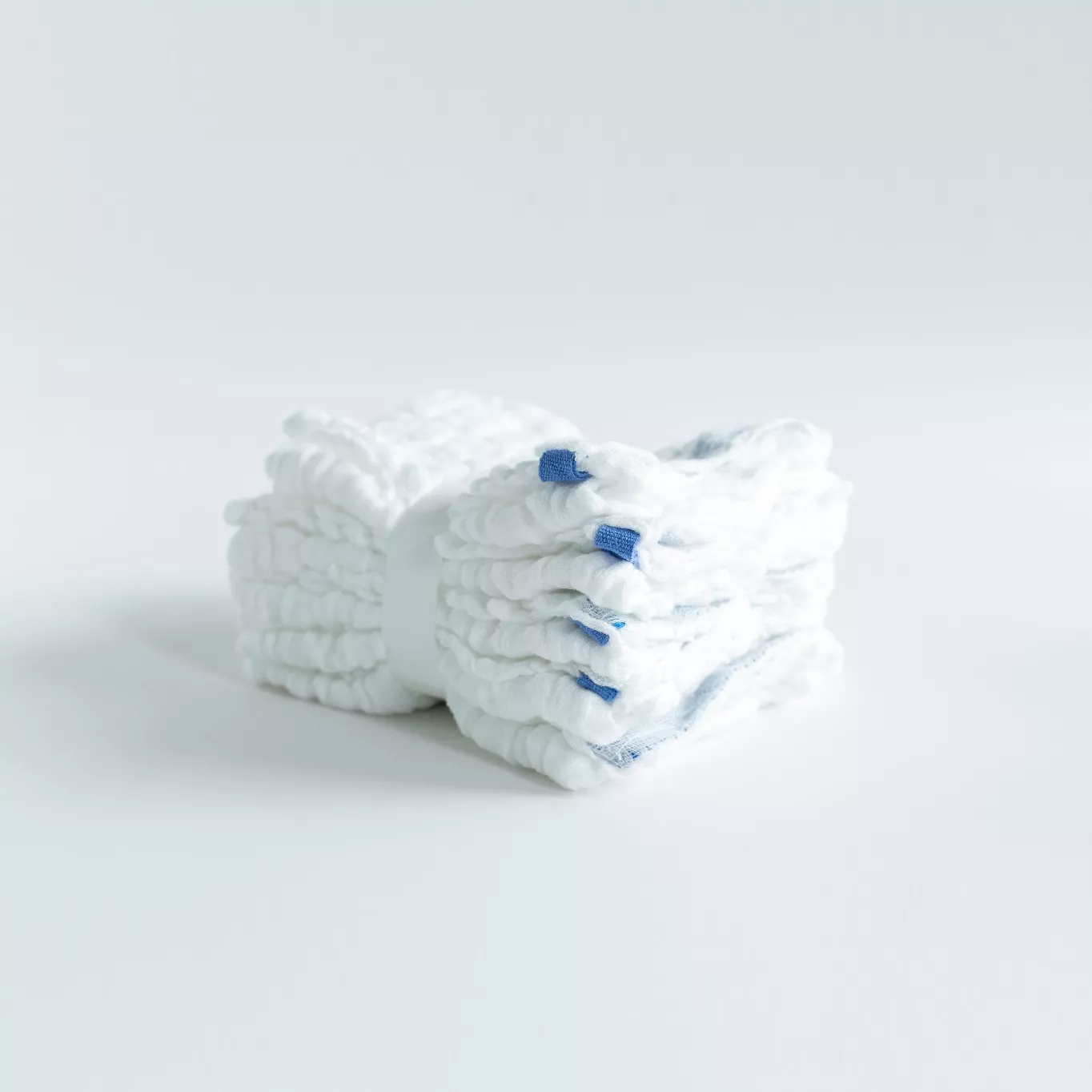
ABD pads come in various sizes, absorbency levels, and packaging options, making them adaptable for a wide range of medical applications. Whether it’s a small surgical incision or a large trauma wound, there is an ABD pad designed to meet the specific needs of the wound. This versatility ensures that healthcare providers can select the ideal product for each patient’s needs.
Check the wound size and expected drainage level to choose the correct ABD pad. Using a pad that’s too small or large can impact its effectiveness in managing the wound. The right size ensures full coverage and maximized absorbency.
Although ABD pads may cost more upfront than standard gauze, their superior absorbency means fewer dressing changes and less disruption to the wound, leading to long-term cost savings. Additionally, the reduction in infection risk further reduces healthcare costs, as fewer complications arise during the recovery process.
Consider the long-term benefits of using ABD pads in high-exudate cases to reduce overall healthcare expenses. Fewer dressing changes can save both time and resources, making ABD pads a more cost-effective choice for managing wounds over time.
ABD pads are vital in modern wound care. Their high absorbency and protective layers make them ideal for treating moderate to heavily exuding wounds. Whether used after surgery, for trauma, or chronic wounds, ABD pads ensure effective and comfortable wound management. By selecting the right pad for the wound's needs, healthcare professionals help ensure faster healing with fewer complications.
For trusted and reliable ABD pads, consider products from Kingstar Medical Products Co., Ltd.. Their innovative solutions offer excellent value in wound care, promoting quicker recovery and optimal protection.
A: An ABD pad, or abdominal pad, is a medical dressing designed to absorb heavy exudate from wounds. It features multiple layers for superior absorbency and protection.
A: To use an ABD pad, clean the wound, apply the pad, and secure it in place. Change the dressing as needed when the pad becomes saturated.
A: ABD pads are crucial for managing high-exudate wounds. They provide comfort, absorb fluids, and reduce the risk of infection by creating a dry, protected environment.
A: Yes, ABD pads are ideal for post-surgical wounds due to their high absorbency and ability to manage heavy drainage.
A: ABD pads offer superior absorbency, prevent leakage, and are more comfortable than traditional gauze, making them ideal for high-exudate wounds.