Views: 0 Author: Site Editor Publish Time: 2025-12-15 Origin: Site


How often should you replace your respirator mask? If you’re using it in high-risk environments, the answer is crucial for your health.
Respirator masks protect you from harmful particles like dust, smoke, and chemicals. However, over time, their effectiveness can decrease. In this article, we’ll explore how often you should replace your respirator mask and why it’s so important. You’ll also learn key signs that indicate it’s time for a replacement to maintain optimal protection.
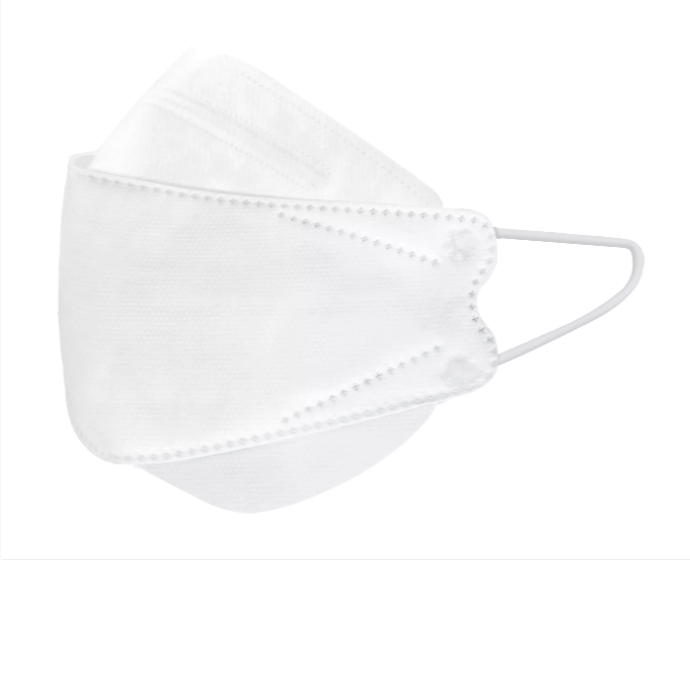
Respirator masks work by filtering out harmful particles and contaminants in the air before they can enter your respiratory system. The filter or cartridge in a respirator is designed to capture a wide range of pollutants, such as dust, smoke, and airborne pathogens like bacteria and viruses. The material inside the filter works by trapping particles as they pass through, preventing them from reaching the wearer’s lungs.
For example, N95 respirators are highly effective in environments where fine particles are common, such as construction sites or medical facilities. They are designed to filter out at least 95% of non-oil-based airborne particles, including dust, smoke, and germs. This makes them essential in workplaces exposed to hazardous materials or healthcare settings, where protection from airborne diseases is crucial.
A proper seal between the respirator and the face is a critical factor for ensuring its effectiveness. When the mask doesn’t form a tight seal, unfiltered air can leak in around the edges, reducing the mask's ability to protect you. For respirators to provide the maximum level of protection, they must fit snugly around the nose, cheeks, and chin to prevent contaminants from bypassing the filter.
To achieve a secure fit, it’s important to ensure the respirator is sized correctly for your face and adjusted properly. A well-fitted mask ensures that all air breathed in by the wearer is filtered through the respirator, providing the necessary protection. A loose or poorly fitted respirator compromises this protective seal and can expose you to harmful particles.
| Indicator | Recommended Action | Replacement Frequency |
|---|---|---|
| Visible damage (tears, cracks, etc.) | Immediate replacement | As needed |
| Difficulty breathing (clogged filter) | Immediate replacement | As needed |
| Extended use beyond 8-10 hours | Replace after the recommended time | 8-10 hours continuous use |
| Exposure to hazardous environments | Replace immediately after exposure | As needed |
| No visible damage, normal wear | Replace after recommended time or inspection | 1-3 months depending on environment |
Over time, respirator masks may suffer visible damage from wear and tear, especially if they are used frequently in demanding environments. If you notice any holes, tears, cracks, or worn-out straps, it's time to replace the mask. Even minor damage can compromise the mask’s ability to filter air effectively. Small cracks or punctures can allow harmful particles to enter the mask, rendering it ineffective in protecting your respiratory system.
If the mask is visibly damaged, regardless of whether it still appears functional, it should be replaced immediately to ensure your safety.
A common sign that your respirator mask is no longer functioning properly is difficulty breathing through it. This usually occurs when the filters become clogged with particles. As respirators filter out more contaminants over time, the filters gradually lose their capacity to capture particles, leading to increased breathing resistance. When you notice it becomes harder to breathe through the mask or experience shortness of breath while wearing it, this is a clear indication that the mask is no longer effective and needs to be replaced.
In some cases, if the mask has been used for an extended period without proper maintenance, it may cause breathing discomfort. If this happens, consider replacing it with a new mask to ensure that you maintain a clean and breathable air supply.
Many respirator masks are designed for single or limited use, typically lasting between 8-10 hours of continuous wear. Over time, even high-quality respirators lose their ability to filter particles as effectively as when they were first used. Wearing the mask beyond its recommended usage can lead to reduced protection against contaminants.
Prolonged use can also cause discomfort, as the filters become saturated and harder to breathe through. Additionally, continuous exposure to contaminants without replacing the mask may result in the accumulation of harmful particles inside the mask, increasing the risk of health complications. It is critical to replace the mask after the recommended usage period to ensure optimal protection and comfort.
If your respirator mask has been exposed to harmful chemicals, toxic dust, or other hazardous materials, it should be replaced immediately. These substances can break down the mask's filters, diminishing their effectiveness. For example, in environments where you work with chemicals or in high-dust areas, the filters can quickly become saturated, rendering the respirator ineffective.
Even if the mask appears to be in good condition, prolonged exposure to harmful contaminants can compromise its performance. In such cases, it’s crucial to replace the mask promptly to avoid exposure to dangerous particles.
| Factor | Impact on Mask Lifespan | Recommendation |
|---|---|---|
| Contaminant concentration | High exposure to particles shortens mask life | Replace more frequently in high-risk areas |
| Temperature and humidity | High heat/humidity causes faster degradation | Replace more often in extreme conditions |
| Work intensity (physical activity) | Increases breathing rate, leading to faster filter wear | Monitor use in high-intensity environments |
The concentration of harmful particles in the environment where the respirator is used significantly affects how long the mask will last. In environments with high levels of contaminants, such as construction zones, factories, or hazardous waste sites, respirators are exposed to large quantities of particles that can clog the filters more quickly. As a result, the mask will need to be replaced sooner than it would in environments with lower contamination levels.
In settings with low contamination levels, respirators may last longer, but regular monitoring is still necessary to ensure they are functioning properly.
Extreme environmental conditions, such as high temperatures or high humidity, can shorten the lifespan of a respirator mask. High temperatures can cause the materials inside the mask’s filters to degrade, while humidity can lead to moisture buildup, which can compromise the filter’s performance. Filters that become saturated with moisture or exposed to extreme heat may lose their ability to trap particles effectively, reducing the mask's overall protection.
If you work in environments with extreme heat or humidity, be sure to monitor your mask more frequently and replace it when needed.
The intensity of physical activity while wearing a respirator mask also plays a role in determining how long it lasts. Workers who perform strenuous tasks or those who breathe heavily during their shift may find that their mask becomes saturated more quickly, especially if they’re in a high-contaminant environment. Increased breathing rate means that more air and contaminants are being pulled through the mask, which leads to quicker filter wear.
If your work involves heavy physical exertion, consider replacing your respirator more often to maintain optimal filtration and comfort.
| Care Practice | Description | Frequency/Recommendation |
|---|---|---|
| Cleaning the respirator | Follow manufacturer guidelines for cleaning | After each use |
| Storing the respirator | Store in a cool, dry, airtight container | When not in use |
| Preventing moisture buildup | Ensure mask is dry before storing | Always, especially in humid conditions |
| Regular inspections | Check for visible damage or filter clogging | At the start and end of each shift |
To extend the lifespan of your respirator, it’s important to clean it regularly and store it correctly. Some respirator masks can be cleaned, but you should always follow the manufacturer's guidelines for cleaning methods. When the mask is not in use, store it in a cool, dry place away from direct sunlight and contaminants. Use airtight containers or bags to store your respirator, as this helps prevent moisture or other environmental factors from affecting the mask.
Moisture can significantly impact the performance of respirator filters. If the mask becomes wet or exposed to high humidity, the filters lose their ability to trap harmful particles, making the mask less effective. To avoid moisture buildup, take extra care when using the respirator in humid environments or after prolonged use. Always ensure the mask is completely dry before storing it.
Regularly inspecting your respirator mask is key to ensuring it remains effective. Check the straps, the seal, and the filter material for any signs of wear, damage, or clogging. If the mask appears to be damaged, is difficult to breathe through, or has clogged filters, replace it immediately. Develop a habit of inspecting your respirator at the start and end of each shift to ensure it is in optimal condition and ready for use.
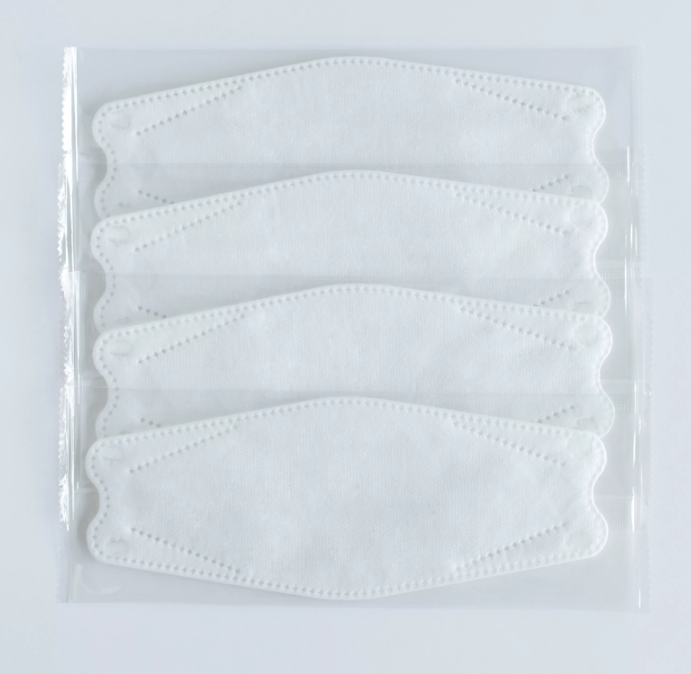
To ensure the health and safety of workers, it’s essential to create a replacement plan tailored to your specific work environment. If your workplace is exposed to high levels of contaminants, such as in construction sites or medical facilities, you will need to replace your respirator more frequently. Establishing a regular schedule based on the contaminants present will ensure that the respirator is always working at peak performance.
Manufacturers often provide recommendations on how long their respirators and filters should last under normal usage conditions. While these guidelines are helpful, they should be adjusted based on the specific demands of your workplace. For example, in environments with high dust or chemical exposure, masks may need to be replaced earlier than the recommended time. Always follow the manufacturer’s instructions for filter replacement, but be mindful of the unique challenges posed by your work environment.
Regularly replacing your respirator mask is essential for maintaining its effectiveness and ensuring continued protection. Pay attention to signs of wear, such as visible damage, breathing difficulty, or extended use. By properly maintaining, inspecting, and storing your mask, you can extend its lifespan while ensuring optimal protection. Don't wait for the mask to become damaged or ineffective—replace it proactively to stay safe in hazardous environments.
Kingstar Medical Products Co., Ltd. offers high-quality respirator masks designed for superior protection and long-lasting performance. Their products provide value by ensuring that users maintain optimal safety in various industrial and healthcare environments.
A: You should replace your respirator mask when it becomes visibly damaged, after extended use (usually 8-10 hours), or if you experience breathing difficulty. Regular replacement ensures the mask remains effective in filtering harmful particles.
A: Signs include visible damage like tears or cracks, difficulty breathing, or when the mask no longer fits snugly. If the respirator mask appears worn out or clogged, it’s time for a replacement.
A: Regular replacement of your respirator mask ensures it continues to filter out harmful particles effectively. Over time, filters become clogged, which reduces protection, posing health risks.
A: Reusing a respirator mask is not recommended unless it's designed for multiple uses. Disposable masks should be replaced after each use to maintain optimal protection against contaminants.
A: Store your respirator mask in a clean, dry place, and inspect it regularly for wear. Avoid exposing it to moisture or contaminants, and replace filters as needed to prolong its effectiveness.
A: The cost of a respirator mask varies based on type and quality. Simple disposable masks may cost less, while higher-quality N95 or similar masks may range from $2 to $5 per mask.