Views: 0 Author: Site Editor Publish Time: 2026-11-20 Origin: Site


Sterile vs non sterile gauze swabs serve different purposes in wound care, clinical procedures, and routine medical applications. Sterile gauze is commonly selected for direct contact with open wounds and surgical sites, while non-sterile gauze is widely used for general cleaning, intact skin care, and secondary dressing applications where permitted by clinical protocols. The main differences involve sterilization methods, packaging formats, microbial control, and intended use. For hospitals, medical distributors, and wholesale buyers, understanding these differences helps ensure appropriate product selection while managing procurement costs and inventory requirements. This guide compares sterile and non-sterile gauze swabs, explains their packaging and sterilization processes, and outlines the key factors to consider when sourcing medical gauze supplies in bulk.
Clinical Designation: Sterile gauze is mandatory for direct contact with open wounds, surgical sites, and invasive procedures; non-sterile gauze is strictly for intact skin, secondary dressings, padding, and general cleaning.
Packaging Variances: Sterile swabs rely on validated, individually sealed medical-grade barriers (paper/film pouches) for single-use applications, whereas non-sterile swabs (often referred to as sponges) are packaged in bulk sleeves or multi-packs.
Cost-to-Risk Ratio: While non-sterile gauze offers significant unit-cost savings, improper substitution in clinical settings introduces severe liability and infection risks.
Procurement Strategy: Optimal inventory management requires a bifurcated purchasing approach, aligning the volume of sterile and non-sterile stock with the facility's specific procedural case mix, while leveraging OEM customization for bulk supplies.
Table of Contents
Healthcare facilities must eliminate all microbial life during critical procedures. Bacteria, viruses, and spores pose massive risks when they contact compromised tissue. Preventing healthcare-associated infections starts with proper consumable selection. Manufacturers achieve a validated Sterility Assurance Level through highly controlled industrial processes. Industry-standard methodologies primarily include Ethylene Oxide gas and Gamma irradiation.
Ethylene Oxide gas penetrates packaging to disrupt cellular DNA without relying on extreme heat. This makes it ideal for delicate cotton fibers. The process involves precise temperature, humidity, and gas concentration controls. A mandatory aeration period follows to remove residual gas. Gamma irradiation uses radioactive isotopes, typically Cobalt-60, to destroy pathogens instantly. This method requires no aeration and leaves no chemical residue. Both methods ensure complete sterility before the product reaches the hospital floor.
Sterilization processes impact the physical integrity of the material. Facilities must evaluate the tensile strength and absorbency of their supplies after processing. Manufacturers use 100% pure cotton or advanced synthetic blends to create these items. The materials must withstand terminal sterilization without degrading, shedding excess lint, or losing their wicking capabilities. High-quality sterile gauze swabs meet strict international pharmacopoeia standards. Specifications like the British Pharmacopoeia and Indian Pharmacopoeia dictate exact thread counts, fabric weight, and chemical purity.
Yarn count and mesh density directly affect clinical performance. A standard 40s yarn provides a soft texture suitable for delicate tissue. Mesh densities like 19x15 or 26x18 determine the fluid retention capacity. Higher density means better absorption but higher manufacturing costs. Procurement teams must match the mesh density to the expected exudate levels of specific surgical procedures. Heavy trauma cases require high-density swabs to manage rapid blood loss effectively.
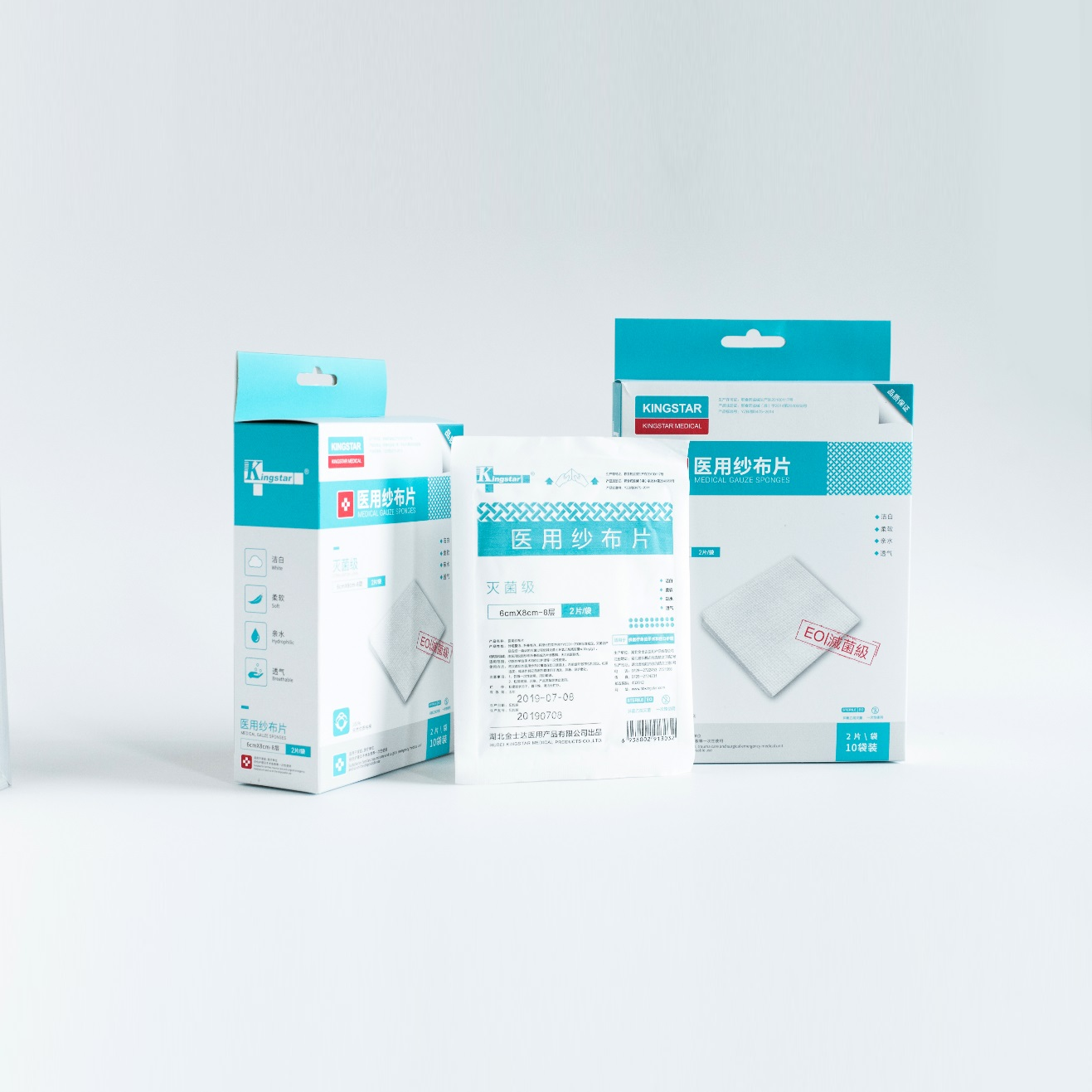
Non-sterile gauze does not undergo a terminal sterilization process. However, manufacturers still produce it in highly clean, controlled environments. These manufacturing facilities maintain strict hygiene protocols. They utilize air filtration systems and enforce worker gowning requirements to limit the initial bioburden. The baseline safety profile remains exceptionally high. The material is clean, highly absorbent, and structurally identical to its sterile counterpart. It simply harbors acceptable, non-pathogenic microscopic flora common to everyday environments.
Industry terminology often creates confusion during the procurement process. Suppliers frequently categorize and sell non-sterile variants as "gauze sponges." They reserve the term "pads" for individually wrapped sterile items. This nomenclature specifically denotes their bulk, non-surgical utility. Understanding this nuance helps buyers navigate complex catalogs accurately. It prevents accidental ordering errors that could disrupt ward operations.
Non-sterile sponges feature the same folded edges to prevent loose threads from fraying during use. Manufacturers often utilize a French fold technique. This folds all raw cut edges into the center of the swab. Fraying threads can embed in healing tissue and cause foreign body reactions. Even in non-sterile applications, structural integrity matters. Poorly folded sponges leave lint on instruments and surfaces, creating extra work for cleaning staff.
Quality control for non-sterile products focuses on physical defects rather than microbial limits. Inspectors check for oil stains from weaving machines, foreign matter, and incorrect dimensions. The bleaching process uses hydrogen peroxide to achieve a pure white color and remove natural cotton waxes. This bleaching step also acts as a mild antimicrobial treatment, further reducing the baseline bioburden before packaging.

Sterile barrier systems must comply with strict regulatory frameworks. ISO 11607 outlines the exact requirements for packaging terminally sterilized medical devices. These systems are designed strictly for single-use applications. They must maintain their integrity from the factory to the point of care. Manufacturers use tear-open medical-grade paper combined with transparent plastic peel pouches. Some premium products utilize rigid blister packs for added physical protection during transit.
These materials prevent microbial ingress while allowing sterilization agents to penetrate effectively. Quality control teams perform rigorous testing on every batch to verify the barrier remains uncompromised.
Peel strength testing ensures the pouches open cleanly without tearing the paper. Tearing could drop non-sterile fibers onto the sterile field.
Dye penetration testing checks for microscopic pinholes in the seal that would allow bacteria to enter.
Burst testing verifies the pouch can withstand atmospheric pressure changes during shipping and handling.
Accelerated aging tests confirm the adhesive seals will hold up over the entire stated shelf life.
Shelf-life depends entirely on this packaging integrity. Most sterile gauze carries an expiration dating of three to five years. Environmental conditions play a major role in preventing the degradation of the sterile seal. Storage areas must remain dry and temperature-controlled. Keep boxes away from sharp objects or heavy crushing loads. High humidity weakens medical paper. Extreme temperature fluctuations stress the adhesive seals. Any compromise to the pouch immediately renders the product non-sterile and unsafe for surgical use.
High-turnover clinical environments require scalable packaging formats. Non-sterile gauze arrives in bulk configurations to maximize efficiency and reduce unit costs. Common formats include heavy-duty paper sleeves, plastic bags, and multi-packs. You will typically see bundles of 100 or 200 units stacked neatly. This approach drastically reduces packaging waste. It speeds up access during routine, non-invasive tasks.
Bulk packaging introduces specific storage vulnerabilities that staff must manage. Once clinical personnel open a bulk sleeve, the contents face immediate environmental contamination. Dust, ambient moisture, and airborne pathogens settle on the exposed material. Facilities must implement strict protocols for mitigating this risk on the ward.
Store opened sleeves in closed plastic containers. Use designated clean drawers or covered wall-mounted dispensers. Never leave open sleeves on countertops near sinks where splash contamination occurs. Proper storage extends the usability of bulk supplies and prevents unnecessary waste.
OEM customization offers significant advantages for bulk supplies. Hospitals can request specific packaging dimensions to fit existing dispenser systems perfectly. Customization streamlines departmental workflow and reduces handling time. Facilities can specify the exact ply count, thread density, and fold type to match their specific clinical protocols. This ensures staff always have the right tool for routine tasks without opening multiple packages.
Specific clinical workflows require absolute asepsis to protect patient health. You must map sterile gauze to these high-risk procedures without exception. Direct wound contact demands a flawless sterile barrier. Clinicians use them for primary wound dressing, applying them directly to the exposed wound bed. They absorb heavy exudate in open lacerations, avulsions, and deep puncture wounds. Surgical incision care relies entirely on sterile consumables to prevent post-operative complications.
Invasive procedures carry the highest risk of introducing pathogens into the bloodstream. Operating rooms consume massive volumes of sterile swabs during every case. Nurses and surgeons use them for catheter site maintenance and central line dressing changes. Sterile field preparation requires guaranteed sterile materials. Surgical dressing fixation requires sterile materials to prevent cross-contamination from the outer environment. Never compromise on sterility when the natural skin barrier is broken.
Orthopedic and vascular surgeries demand the highest grade of sterile consumables. Bone and blood vessel infections are notoriously difficult to treat. Surgeons rely on highly absorbent, lint-free sterile swabs to maintain clear visibility in the surgical field. Any lint left behind can trigger granuloma formation. Strict adherence to sterile protocols prevents these severe surgical site infections.
Identifying areas where sterility is clinically unnecessary saves substantial money. You can prevent the waste of premium sterile inventory through smart allocation and staff education. Non-sterile gauze serves perfectly as an absorbent outer layer in complex wound management. Clinicians place it over a primary sterile contact layer to catch excess drainage. It works exceptionally well for securing dressings. It provides mechanical padding under casts and absorbs fluids away from the primary site.
Intact skin preparation relies heavily on non-sterile sponges. Staff use them in conjunction with antiseptics like alcohol or iodine before routine injections. They are standard for phlebotomy prep and minor outpatient procedures. They are the standard choice for instrument wiping, absorbing spills, and general clinical surface cleaning. As long as the patient's skin remains unbroken, non-sterile options provide safe, highly cost-efficient performance.
Dental clinics use massive quantities of non-sterile gauze for routine moisture control. While oral surgery requires sterile extraction pads, general exams and cleanings utilize bulk non-sterile sponges. The mouth naturally harbors high bacterial loads, making terminal sterility unnecessary for basic saliva absorption. This targeted application keeps dental supply costs manageable.
Using non-sterile gauze on compromised tissue carries severe clinical consequences. Complications include delayed wound healing, localized site infections, and potentially fatal systemic sepsis. Legal liability increases dramatically when facilities violate basic infection control standards. A single case of a Central Line-Associated Bloodstream Infection linked to improper consumable use results in massive financial penalties. Reputational damage follows closely behind. Risk mitigation requires strict adherence to established usage guidelines.
Establish rigid workflow guardrails in your supply rooms and utility closets. Physically separate sterile and non-sterile inventory. Place them on different shelves or entirely different storage racks. Use clear, color-coded labeling to prevent accidental misuse by rushed clinical staff. Education and visual cues stop errors before they reach the patient. Conduct regular in-service training to remind staff that clean does not equal sterile.
Audit your supply carts weekly. Look for mixed inventory. If a non-sterile sleeve ends up in a sterile procedure cart, remove it immediately. Standardize your ordering codes so purchasing agents do not accidentally swap SKUs during routine restocks. Clear communication between the procurement office and the clinical floor prevents dangerous inventory mix-ups.

The per-unit cost of individually wrapped sterile gauze is significantly higher than bulk alternatives. The complex barrier packaging, terminal sterilization process, and rigorous validation testing drive up manufacturing expenses. Bulk non-sterile options cost a fraction of the price. This allows facilities to buy in massive volumes. However, true value extends far beyond the initial purchase price.
Using a premium sterile pad to wipe a counter destroys value. Conversely, using a non-sterile sponge on a surgical site creates catastrophic liability that dwarfs any initial savings. Budget optimization requires a calculated ratio of inventory based on departmental function.
Surgical wards, intensive care units, and burn centers need a heavy concentration of sterile products. Outpatient clinics, physical therapy departments, and general medical wards consume much more non-sterile bulk supplies. Factor in wholesale discounts and OEM bulk supply agreements when planning your annual spend. Analyzing historical usage data helps procurement teams dial in the perfect purchasing ratio.
Feature | Sterile Gauze Swabs | Non-Sterile Gauze Swabs |
|---|---|---|
Sterilization | Terminally sterilized (EO Gas / Gamma Irradiation) | Manufactured in clean environments; no terminal sterilization |
Packaging | Individual medical-grade paper and plastic peel pouches | Bulk paper sleeves, plastic bags, or multi-packs |
Primary Use | Open wounds, surgical sites, invasive procedures, catheter care | Intact skin, secondary padding, instrument cleaning, surface prep |
Cost Profile | Higher per-unit cost due to processing and barrier packaging | Highly economical for large volume, routine clinical tasks |
Storage Needs | Strict temperature and humidity control to protect seals | Covered containers to prevent ambient dust contamination |
Procurement teams must verify specific certifications when evaluating new suppliers. Quality standards apply equally to both sterile and non-sterile products. ISO 13485 certification ensures the manufacturer maintains a rigorous, medically focused Quality Management System. CE marking demonstrates compliance with strict European health, safety, and environmental protection directives. These baseline certifications indicate a mature, reliable manufacturing partner.
Understand local regulatory classifications for wound dressings before finalizing contracts. Adherence to British Pharmacopoeia or Indian Pharmacopoeia manufacturing standards guarantees product safety. It ensures correct thread density and material consistency. Always request formal documentation for sterilization validation when buying sterile products. Transparent suppliers readily provide these certificates. They supply lot-specific testing data to prove their Sterility Assurance Level claims.
Review the supplier's traceability system. In the event of a product recall, you must be able to track specific lot numbers from the loading dock to the patient's bedside. Barcoding on both individual pouches and bulk cartons facilitates rapid inventory scanning and compliance tracking. Strong traceability protects the hospital from regulatory fines and patient lawsuits.
Execute the following steps to optimize your facility's wound care consumable inventory:
Conduct a departmental usage audit to identify and eliminate the misallocation of sterile resources in non-critical areas.
Request physical product samples from suppliers to evaluate packaging peel strength, material absorbency, and gauze linting levels before signing contracts.
Verify supplier ISO 13485 and pharmacopoeia certifications to ensure long-term product consistency and regulatory compliance.
Implement physical separation of inventory in supply rooms using color-coded bins to prevent cross-contamination and staff selection errors.
A: In-house autoclaving is possible but carries significant risks. Facilities must use validated sterilization pouches and precise temperature controls. Improper packing often leads to retained moisture, which compromises sterility and encourages bacterial growth. Purchasing pre-sterilized gauze is generally safer, more compliant, and more cost-effective than relying on internal reprocessing.
A: Most sterile gauze has a manufacturer-stated shelf life of three to five years. However, sterility is entirely event-related. The product remains sterile indefinitely as long as the packaging stays intact, dry, and undamaged. Always inspect the pouch for punctures or moisture before use.
A: Clinical guidelines strongly recommend sterile products for any open wound, regardless of size. Broken skin provides a direct pathway for pathogens. Non-sterile gauze should only be used on intact skin or as a secondary absorbent layer placed over a primary sterile dressing.
A: Perform a strict visual inspection of the medical-grade pouch. Look for watermarks, discoloration, or tiny punctures in the paper backing. Ensure the seal integrity is flawless with no peeling edges or channels. Finally, check the expiration date printed on the packaging.
A: Non-sterile bulk gauze provides excellent absorbency and mechanical padding at a fraction of the cost. Since the primary sterile dressing protects the actual wound bed from contamination, the outer layers do not require terminal sterilization. This approach maximizes budget efficiency without compromising patient safety.