Views: 0 Author: Site Editor Publish Time: 2026-03-23 Origin: Site


Is your child wearing the right Kids Face Mask? Choosing the perfect mask can be tricky with so many options available. This guide will walk you through the key factors to consider for comfort, safety, and effectiveness. You’ll discover how to select a mask that fits perfectly and provides optimal protection for your child.
Wearing a Kids Face Mask is one of the simplest and most effective ways to protect children from airborne diseases. As viruses and bacteria can easily spread through the air, masks act as a physical barrier, reducing the transmission of harmful particles.
● How Masks Help Prevent the Spread of Airborne Diseases
Masks help trap respiratory droplets before they can spread into the air. This significantly reduces the likelihood of transmitting viruses like the flu or COVID-19, which are carried by droplets when we talk, sneeze, or cough.
● Why Mask-Wearing is Essential in Preventing Illness Transmission in Crowded Places and Schools
Schools, playgrounds, and crowded public areas present a higher risk of exposure to airborne illnesses due to close contact with many people. Wearing a mask helps reduce the chances of contracting or spreading these illnesses in such environments.

Face masks not only help prevent illness but also ensure safety when children are in public places.
● Face Mask Requirements in Schools and Public Transportation
Many countries have made it mandatory for children to wear face masks in public settings like schools, public transportation, and other enclosed spaces. These regulations help minimize the spread of airborne diseases, creating safer environments for children and adults alike.
● Why Face Masks are Especially Important in Places with High Foot Traffic
In crowded places such as malls, train stations, or airports, face masks play a crucial role. The higher the number of people in one area, the greater the risk of being exposed to airborne germs. Wearing a Kids Face Mask minimizes this risk by providing an added layer of protection from germs.
● How Face Masks Protect Kids During Flu Seasons and Health Crises
During flu seasons or when there is a health crisis (such as a pandemic), the likelihood of viruses spreading is higher. Masks help protect children by blocking harmful particles in the air, thus reducing their chances of contracting illnesses.
Here’s a comparison of how face masks provide safety in different settings:
Setting | Mask Benefits |
Schools | Masks help prevent flu outbreaks and viral transmission in classrooms. |
Public Transport | Essential for protecting children from airborne diseases during travel. |
High-Traffic Areas | Masks shield kids from airborne germs in crowded spaces. |
When it comes to Kids Face Masks, size plays a crucial role in both comfort and effectiveness. An ill-fitting mask not only compromises protection but can also cause discomfort, leading to a child resisting wearing it.
● Importance of Proper Mask Size for Comfort and Effectiveness
A mask that is too large may slip off, while one that is too small might not cover the nose and chin properly, reducing its effectiveness. It’s essential to find a mask that fits snugly but comfortably. The mask should stay in place during normal movements, like talking, laughing, and playing.
● How to Measure Your Child's Face to Choose the Right Mask Size
To ensure a proper fit, measure the width from ear to ear and the length from the bridge of the nose to just under the chin. Most Kids Face Masks are available in small, medium, or large sizes, but it’s best to check the manufacturer’s sizing guide for the best fit.
● The Impact of an Ill-Fitting Mask on Protection
When a mask is too loose or too tight, it may not provide adequate protection. Air can leak through the sides, bypassing the filtration layers, and leaving the wearer vulnerable to airborne particles.
Here’s a visual guide showing different mask sizes and their fit:
Mask Size | Recommended Age | Measurement Guide |
Small | 3-6 years | 3.5 inches from ear to ear, 3.5 inches from nose to chin |
Medium | 7-10 years | 4 inches from ear to ear, 4 inches from nose to chin |
Large | 11+ years | 4.5 inches from ear to ear, 5 inches from nose to chin |
The materials used in Kids Face Masks are a key factor in ensuring comfort, protection, and breathability. Masks should allow airflow while maintaining their protective capabilities.
● Why Breathable Fabrics Like Cotton and Non-Woven Materials Matter
Kids Face Masks are made from different types of materials, but breathable fabrics such as cotton or non-woven layers are popular choices. These materials allow air to pass through while still filtering out harmful particles. Masks made from breathable fabrics help reduce the feeling of being suffocated, which is important for keeping kids comfortable.
● The Role of Multi-Layer Masks in Filtration While Maintaining Breathability
Multi-layer masks provide better filtration, trapping dust, bacteria, and viruses. However, it's important that these masks still allow for comfortable breathing. Most high-quality Kids Face Masks feature a combination of breathable materials like cotton and non-woven fabrics, ensuring kids can breathe easily while staying protected.
● Common Materials Used in Kids’ Face Masks and Their Benefits Popular materials used in children’s face masks include:
○ Cotton: Soft, breathable, and gentle on sensitive skin.
○ Polypropylene (non-woven fabric): Offers excellent filtration and breathability.
○ Polyester: Lightweight and durable for everyday wear.
Comfort is essential for ensuring that children will wear their masks consistently. Features like soft ear loops, adjustable nose pieces, and lightweight construction can make a big difference in how kids feel when wearing them.
● Soft Ear Loops and Adjustable Nose Pieces to Avoid Discomfort
Kids often find ear loops uncomfortable, especially if they are too tight or cause irritation. Many Kids Face Masks feature soft, elastic ear loops that gently fit around the ears without causing pain. Additionally, adjustable nose pieces allow for a better seal around the nose, reducing gaps and preventing discomfort.
● Importance of Lightweight Masks for Extended Wear
Children can be sensitive to the weight of a mask. Masks that are too heavy or thick can lead to discomfort, especially during long periods of wear. Lightweight masks ensure that children can wear them for hours without feeling restricted.
Multi-layer masks are a critical aspect of Kids Face Masks, offering enhanced protection against airborne viruses, bacteria, and allergens. Understanding the science behind multi-layer design is essential for parents looking to ensure the highest level of protection for their children.
● The Science Behind Multi-Layer Face Masks and How They Block Particles
Multi-layer face masks typically consist of layers such as non-woven fabric, cotton, or polypropylene. These layers work together to filter out harmful particles by physically trapping dust, bacteria, and viruses. The more layers a mask has, the more protection it provides.
The outer layer usually acts as a barrier to larger particles, while the middle layers offer filtration, and the inner layer remains soft against the skin. This combination helps block particles effectively, making multi-layer masks a reliable option for preventing the spread of airborne diseases.
● Benefits of Disposable vs. Reusable Multi-Layer Masks for Kids
Disposable multi-layer masks are ideal for quick, one-time use, offering the convenience of easy disposal after each wear. These masks are often lighter and made from materials specifically designed to filter out airborne particles. However, they can accumulate waste over time.
Reusable multi-layer masks, on the other hand, can be washed and used multiple times. While they tend to be slightly heavier than disposable masks, they are more environmentally friendly and cost-effective in the long run. Reusable masks often provide more comfort, and many are made with adjustable features like ear loops and nose wires.
● How to Choose Masks with Optimal Protection Against Airborne Viruses
When selecting a multi-layer mask, it’s essential to consider the number of layers, the material used, and the mask's fit. Masks that are tightly fitted around the nose and chin will offer better protection.
Here’s a table comparing disposable and reusable multi-layer masks for kids:
Feature | Disposable Masks | Reusable Masks |
Protection | High, single-use, often with 3 layers | Good, with washable multi-layer options |
Comfort | Light but may irritate after long wear | Adjustable and often more comfortable |
Environmental Impact | Disposable, generates waste | Eco-friendly, reusable multiple times |
Cost | Low cost per mask but adds up | Higher initial cost, more cost-effective over time |
Ensuring that a Kids Face Mask meets safety standards is crucial for providing the best protection for children. Masks that adhere to established certifications guarantee that they meet certain safety criteria.
● Overview of Safety Standards and Certifications for Kids' Face Masks Kids’ face masks should meet safety standards like those set by ASTM (American Society for Testing and Materials). The ASTM Level 1, Level 2, and Level 3 certifications help parents determine the mask's filtration efficiency and suitability for different environments.
● ASTM Level 1 and Level 3 Masks: Which One is Best for Your Child?
○ ASTM Level 1 Masks: These are suitable for general protection against non-hazardous airborne particles. They are ideal for everyday use, such as at school or on short trips.
○ ASTM Level 3 Masks: These masks offer the highest level of protection, designed to protect against larger droplets and fine airborne particles. They are recommended in higher-risk settings like crowded public spaces or during flu seasons.
● The Importance of Checking Mask Certifications Before Purchasing
Always look for masks with proper certifications to ensure your child is protected effectively. A mask without a certification may not offer adequate protection and could potentially compromise safety.
Here’s a quick reference table to help you choose between ASTM levels:
ASTM Level | Recommended Use | Protection Level |
Level 1 | General use (e.g., school, public places) | Basic filtration, ideal for everyday use |
Level 2 | Moderate risk environments (e.g., doctors' offices) | Medium protection, ideal for moderate exposure |
Level 3 | High-risk environments (e.g., crowded areas, flu season) | High filtration, for maximum protection |
Different activities require different levels of protection, and Kids Face Masks are designed to cater to a variety of needs. Whether your child is in school, playing outdoors, or traveling, it's essential to choose the right mask for each scenario.
● What Masks Are Suitable for School, Outdoor Play, and Travel
For school, look for a mask that provides a good balance of protection and comfort, such as a Level 1 or Level 2 ASTM mask. These masks are lightweight and breathable, making them ideal for all-day wear. For outdoor play, choose a Kids Face Mask made from materials like cotton or breathable non-woven fabric, offering comfort and protection against airborne allergens.
When traveling, especially on public transport, a Level 3 ASTM mask might be more suitable, as it offers higher protection from viruses and pollutants.
● Masks for Sports, Crowded Places, and Other Specific Environments
Sports require masks that are not only breathable but also stay securely in place. Look for masks with adjustable ear loops or those designed specifically for athletic activities, which provide comfort during movement.
For crowded places like malls or festivals, a Level 3 mask ensures enhanced protection due to its higher filtration capabilities. Masks with multiple layers and a snug fit will keep kids safe while ensuring they can breathe comfortably.
● How to Select Masks Based on Activity Level and Setting
Always consider the activity when selecting a mask for your child. High-energy activities like sports or running require lightweight and breathable masks that can stay on securely. In contrast, low-energy activities such as attending class may not require the same level of filtration.
Here's a breakdown of mask suitability for different activities:
Activity | Recommended Mask Type | Filtration Level |
School | Lightweight, breathable mask | ASTM Level 1 or 2 |
Outdoor Play | Soft cotton or breathable non-woven fabric mask | Moderate protection (Level 1 or 2) |
Travel/Public Transport | Higher filtration mask with snug fit | ASTM Level 3 |
Sports | Adjustable, breathable, secure fit | Lightweight, breathable, moderate protection |
Getting kids to wear face masks without resistance requires creativity and making the process enjoyable for them. Here are some ways to make mask-wearing fun and comfortable:
● Letting Kids Choose Masks with Fun Colors and Designs
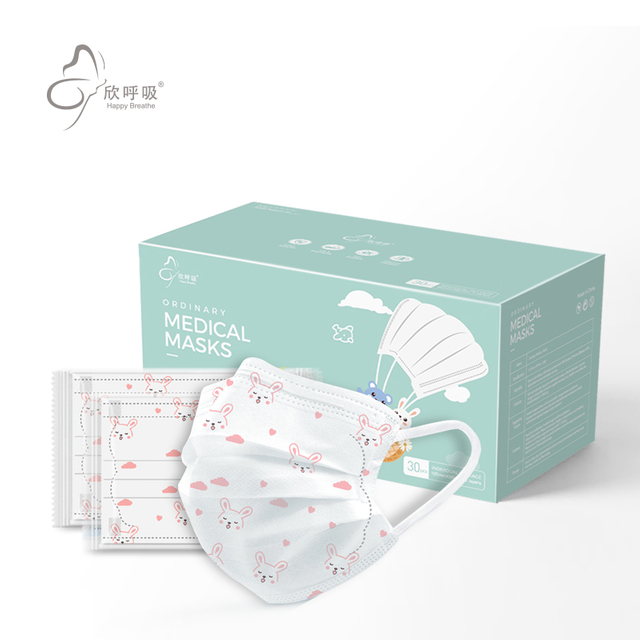
Kids are more likely to wear masks that appeal to their preferences. Allowing them to pick masks with their favorite colors, characters, or patterns can make them more excited about wearing them. This gives children a sense of ownership and control over their mask choice.
● Encouraging Kids to Personalize Their Masks
Kids love personalization, so offering them the opportunity to decorate their masks with safe fabric markers or stickers can make them more willing to wear them. Personalization helps kids feel that the mask is theirs and makes the experience more engaging.
● Using Games or Incentives to Help Kids Get Comfortable with Wearing Masks Make wearing masks fun by turning it into a game. For example, you can set a timer to see how long they can keep the mask on without taking it off or reward them with small incentives for wearing the mask throughout the day. Positive reinforcement goes a long way in encouraging consistent use.
Children often look to their parents for guidance, and wearing a mask together can help set the tone. Here are a few tips for parents:
● How Parents Can Model Mask-Wearing Behavior
Kids are more likely to wear masks if they see their parents wearing them. Set a good example by wearing your mask when you go out and explaining why it’s important. This shows your child that wearing a mask is a normal and responsible behavior.
● Teaching Kids the Importance of Masks through Role Play and Storytelling
Role-playing can help children understand the importance of mask-wearing. Create fun scenarios where masks are used to protect the wearer and others. You can also use storytelling to explain why masks are necessary in a way that resonates with your child, making it easier for them to understand.
● How to Discuss Mask-Wearing with Your Child and Address Any Concerns
Some children may feel anxious or unsure about wearing masks. It’s important to talk to your child openly, listen to their concerns, and reassure them. Offer explanations in simple terms, such as how masks help keep them healthy and protect others.
Choosing the right Kids Face Mask involves considering comfort, safety, and effectiveness. Proper fit, breathable materials, and multi-layer filtration are key factors. Kingstar’s Kids Face Masks are designed to offer a perfect fit with high-quality protection, making them an ideal choice for parents who prioritize both comfort and safety for their children. Their masks provide reliable, everyday protection, helping ensure children stay safe in various environments.
A: Look for masks that fit snugly but comfortably, offer multi-layer protection, and are made from breathable materials like cotton.
A: Multi-layer masks block respiratory droplets and airborne particles, preventing the transmission of germs and viruses.
A: Yes, masks with adjustable ear loops and soft, breathable fabrics ensure comfort even during extended use.
A: Multi-layer masks offer higher filtration, effectively blocking harmful particles while maintaining breathability for comfort.
A: Choose a lightweight, breathable mask with a snug fit, and ensure it offers good filtration without causing discomfort.